



There are two separate areas to consider here concerning the efficiency of pv solar panels. The first concerning the inherent efficiency of the cells in the panel you buy, the second concerning how your installation may affect panel efficiency.
Solar Cell Efficiency
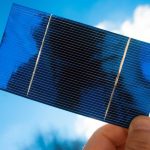
Researchers are continually striving to improve the efficiency with which solar cells convert light energy to electrical energy. The record at the moment stands at an efficiency of around 40%, using multi junction cells (multiple layers of silicon), each layer tuned to trap different frequencies (colours) of light. This type of cell will however be expensive to produce and in the past has been mainly used in space where efficiency may be more important.
Cells used in photovoltaic panels for electricity production are usually single junction type with an efficiency of somewhere around 15%.
For home owners setting up there own system, efficiency is likely to be less important than the cost per nominal watt output.
How Your System Affects Panel Efficiency
Apart from positioning and angling your panels in order to capture as much light energy as possible, there is more.
The inherent characteristics of solar cells results in current produced by a particular light level
being virtually constant upto a voltage of 0.4 volts. A solar panel with a nominal voltage of 24 volts would normally have 72 cells, resulting a constant current upto 28.8 volts. Above this voltage, current drops off rapidly, resulting in maximum power output being produced at around 28.8 volts.
When the panel is connected to the battery via a simple charge regulator, the voltage will be pulled down to near that of the battery. The result is that the panel will only be able to produce it's maximum power when the battery is near to being fully charged.
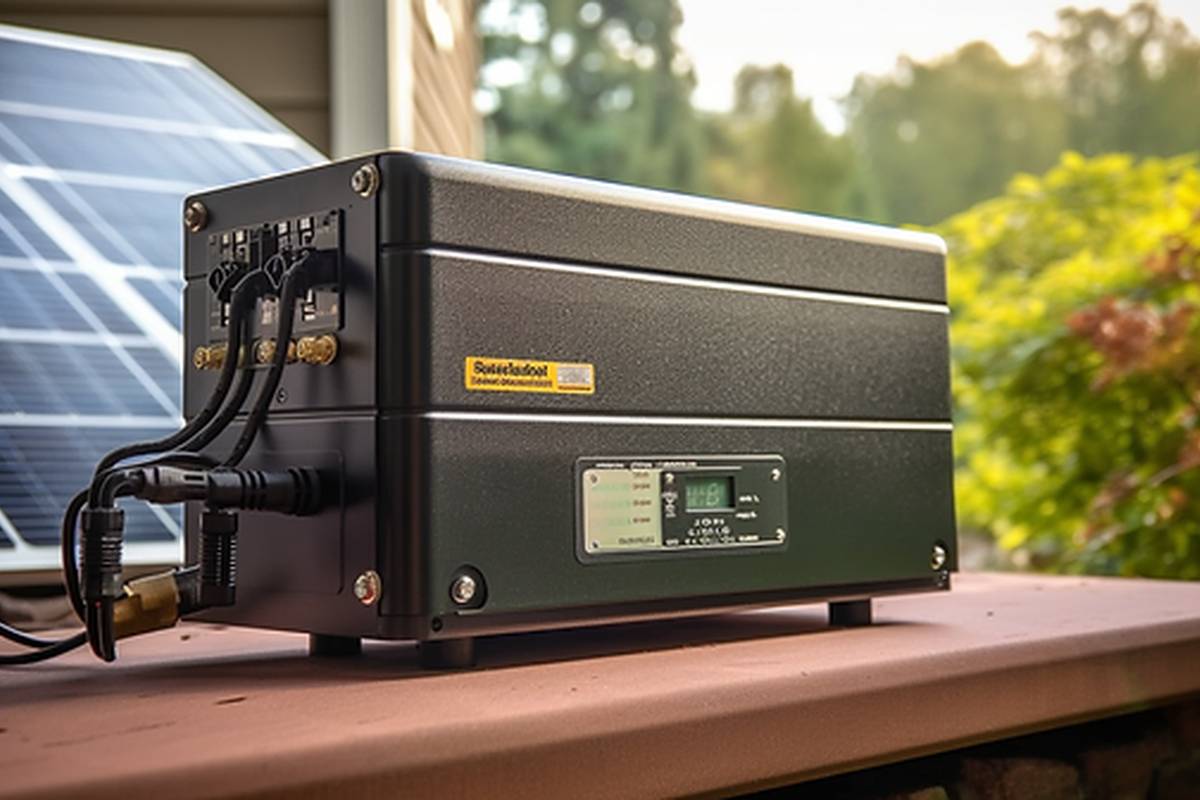
This is where an MPPT (Maximum Power Point Tracking) Charge Controller can play a part by maintaining the panels at their optimum voltage while producing the voltage required by the battery.
What about if you are not using an MPPT controller? Well if you are in a situation (possibly in winter) where your batteries rarely become fully charged, adding an extra panel will not only add the extra rated power potential, but the rest of your panels will be more efficient as they will be running at a higher voltage.
This effect will to some degree be negated by the battery being less efficient at higher levels of charge
but remember that it is beneficial to battery performance and life to be fully charged on occasions - see information on Battery Charging