robert
Solar energy is power generated by converting sunlight into electricity using photovoltaic panels or thermal collectors. This technology transforms photons from the sun into usable energy for your home, offering an alternative to traditional utility power that has gained significant traction among homeowners looking to cut electricity costs and reduce their environmental footprint.
The decision to install solar panels represents one of the largest home improvement investments you’ll make, which makes understanding both the advantages and limitations essential. While solar technology has become more efficient and accessible in recent years, it’s not a one-size-fits-all solution. Your roof orientation, local climate, energy usage patterns, and available incentives all play crucial roles in determining whether solar makes financial and practical sense for your specific situation.
This article breaks down exactly what you need to know before committing to solar. We’ll walk you through how the technology actually works, the different system types available, and the realistic benefits you can expect. You’ll also learn about the challenges that often catch homeowners off guard, from upfront costs to weather dependencies to maintenance requirements. Most importantly, we’ll give you a framework for evaluating whether solar aligns with your goals and budget, plus guidance on connecting with qualified local installers who can provide personalized assessments. By the end, you’ll have the knowledge to make a confident, informed decision about whether solar energy is the right move for your home.
Understanding Solar Energy
Solar energy is power generated from the sun’s radiation, captured and converted into electricity that can run your home’s lights, appliances, and heating or cooling systems. Unlike fossil fuels that require extraction and burning, solar energy is renewable and available wherever sunlight reaches, making it an increasingly popular option for homeowners looking to reduce their reliance on traditional utility companies.
The technology that makes this possible centers on photovoltaic cells, commonly known as solar panels. These cells contain layers of semiconductor material, typically silicon, that react when sunlight hits them. The sun’s photons knock electrons loose from atoms in the semiconductor, creating an electrical current. This is the photovoltaic effect, and it happens silently and continuously whenever your panels receive sunlight.
- Photovoltaic Cells
- Semiconductor devices that convert sunlight directly into electricity through the photovoltaic effect. Multiple cells combined form a solar panel.
- Inverter
- A device that converts the direct current (DC) electricity produced by solar panels into alternating current (AC) electricity that your home appliances use.
- Net Metering
- A billing arrangement where excess electricity your solar system generates flows back to the grid, earning you credits that offset power you draw when the sun isn’t shining.
The electricity produced by solar panels starts as direct current, but your home runs on alternating current. That’s where the inverter comes in, transforming the power into a usable form for everything from your refrigerator to your phone charger. When your panels generate more electricity than you’re using, that excess can flow back to the utility grid through net metering, essentially running your meter backward and banking credits for nighttime or cloudy days.
This system works in parallel with your existing electrical setup, seamlessly switching between solar power, stored battery power if you have it, and grid electricity as needed.
How Solar Panels Work for Your Home
Solar panels convert sunlight into electricity through a straightforward process that happens automatically once your system is installed. Understanding each step helps clarify what’s actually happening on your roof and inside your home.
When sunlight hits your solar panels, photovoltaic cells within the panels absorb energy from photons. These cells, typically made from silicon, create an electric field that causes electricity to flow. This initial electricity comes out as direct current (DC), the same type of power stored in batteries.
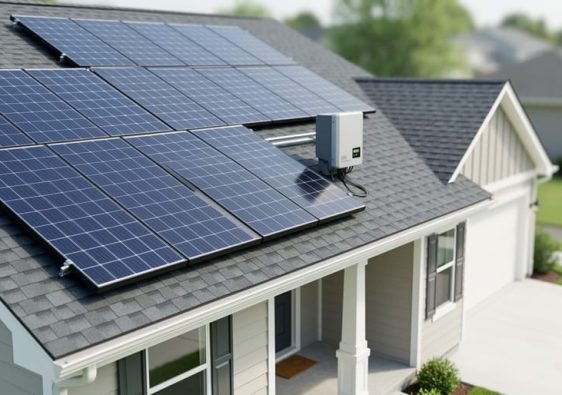
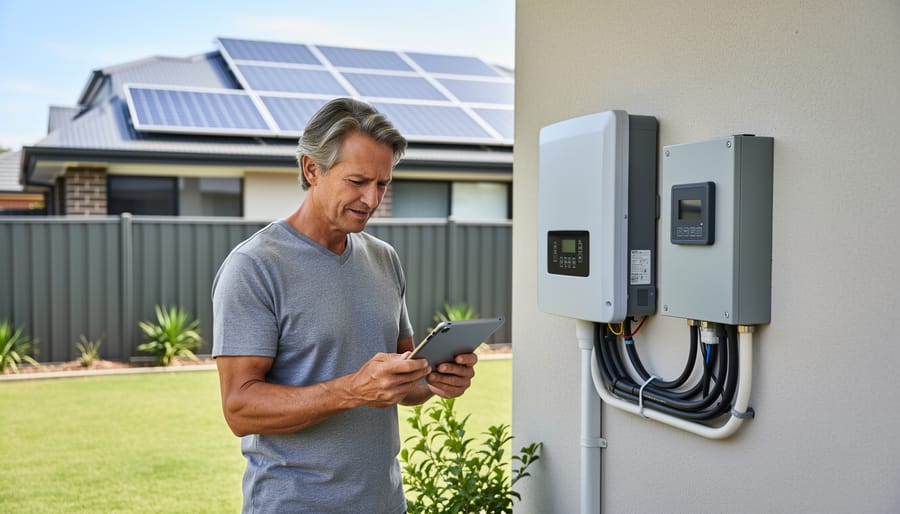
Since your home runs on alternating current (AC) power, the DC electricity flows from your panels through wiring to an inverter, usually mounted on an exterior wall or in your garage. The inverter converts DC to AC, making the electricity compatible with your home’s wiring and appliances. Modern inverters also monitor your system’s performance and can shut down automatically if there’s a grid outage.
From the inverter, electricity travels to your main electrical panel, the same box that distributes power from the utility company throughout your home. When your panels generate electricity, your home uses that power first. Your lights, refrigerator, air conditioning and other appliances draw from solar production rather than from the grid.
If your panels produce more electricity than you’re using at that moment, the excess flows back through your meter to the grid. This is where net metering comes in for grid-tied systems. Your utility meter tracks this outflow, and you receive credits that offset the power you draw from the grid when your panels aren’t producing, like at night.
When solar production falls short of your needs, your home seamlessly pulls additional power from the grid. This transition happens instantly and automatically. You won’t notice any difference in how your appliances operate. The system balances itself continuously throughout the day, adjusting to both your consumption patterns and the available sunlight.
Types of Solar Systems and Components
Grid-Tied Systems
Grid-tied systems remain the most popular choice for residential solar because they connect directly to your utility company’s power lines. During sunny hours, your panels generate electricity that powers your home, and any excess production flows back into the grid. When your panels can’t meet demand, at night or on cloudy days, you draw power from the utility just as you always have.
The key advantage here is net metering, which acts like a credit system with your utility. When your system produces more than you use, the utility credits your account for that excess energy. Later, when you need to pull power from the grid, those credits offset your consumption. In many areas, net metering offsets bills enough that homeowners see dramatically reduced electricity costs, sometimes down to just connection fees.
This setup makes sense if you want lower upfront costs since you won’t need expensive battery storage. It works well when you trust your utility’s reliability and when your state offers fair net metering policies. However, you’ll still lose power during grid outages, your system shuts down automatically for safety reasons, even on sunny days.
Off-Grid Systems
Off-grid systems operate independently from the utility grid, relying on solar panels paired with battery storage to meet all of a home’s electricity needs. When panels generate power during sunny periods, excess energy charges the batteries rather than flowing back to a utility. Those batteries then supply power at night or during cloudy weather, creating a self-contained energy ecosystem.
This setup appeals most to homeowners in remote locations where grid connection is impractical or prohibitively expensive, as well as those prioritizing complete energy independence. It also suits properties where utility service is unreliable or unavailable. Because off-grid systems must handle every aspect of your power needs without utility backup, they typically require larger battery banks and more panels than grid-tied installations to account for seasonal variations and consecutive cloudy days.
The trade-off for independence is complexity and cost. You’ll need to size your system carefully based on actual usage patterns, manage battery health over time, and potentially adjust consumption during extended periods of low sunlight. Most off-grid homeowners develop a keen awareness of their energy use and build in backup generation for emergencies.
Hybrid Systems
Hybrid systems offer the best of both worlds by staying connected to the utility grid while also storing excess energy in batteries. When your panels produce more electricity than you need, the surplus charges your batteries first. Once they’re full, any remaining power flows back to the grid, typically earning credits through net metering.
The key advantage is resilience. During grid outages, your home switches to battery power automatically, keeping essential appliances running. This makes hybrid systems particularly appealing in areas with unreliable utility service or frequent weather-related blackouts.
The trade-off is complexity and cost. You’ll need both the grid connection hardware and a battery storage system, which adds to your initial investment. The system requires more sophisticated monitoring to manage power flow between panels, batteries, your home, and the grid.
Hybrid systems work well for homeowners who want backup power but don’t need complete grid independence. You maintain access to utility power when solar production is low, while gaining protection against outages and the ability to store energy for evening use.
Common Uses of Residential Solar Energy
Solar power can meet virtually all of a home’s electricity needs once the system is properly sized. Most homeowners use their panels to run everyday appliances like refrigerators, air conditioning, washing machines, and lighting. These constant energy demands make solar particularly valuable since they allow you to offset usage during peak rate hours when utility power costs the most.
Beyond basic electricity, residential solar excels at specific applications that either consume significant power or benefit from on-site generation:
- Heating water through solar thermal collectors or electric heat pump water heaters powered by panels
- Charging electric vehicles at home, effectively fueling transportation with sunlight
- Running pool pumps and heating systems that operate primarily during sunny hours
- Powering home offices and technology setups that require reliable daytime electricity
- Providing backup power through battery systems during outages or grid failures
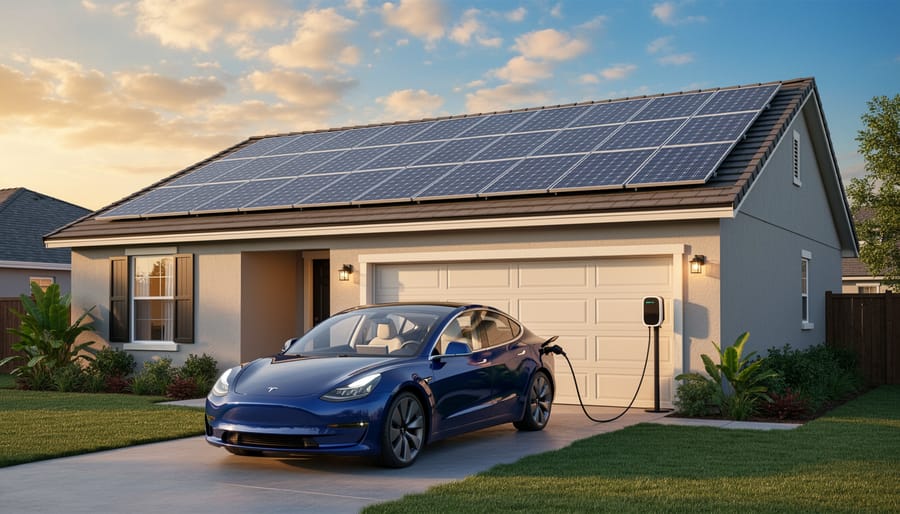
The charging scenario deserves special attention. If you drive an electric vehicle, solar can power both your home and your car, eliminating two major utility expenses with one system. The timing works naturally since panels generate power during the day while your EV charges in the garage, and any excess production feeds back to the grid through net metering.
Homes with high daytime electricity usage see the most immediate benefit. If you work from home, run a home-based business, or have family members present throughout the day, solar directly offsets consumption as it happens rather than relying on net metering credits. This real-time usage match improves the system’s practical value.
Some homeowners also use solar for specific high-consumption appliances that would otherwise spike utility bills. Heavy users of air conditioning in hot climates, for instance, can dramatically reduce summer electricity costs when panels produce peak output exactly when cooling demands run highest.
The Advantages of Going Solar
Lower Energy Bills
Once your solar panels are installed and generating electricity, they immediately start offsetting what you’d normally buy from the utility company. Every kilowatt-hour your system produces is one you don’t pay the electric company for, which translates directly into lower monthly bills. Many homeowners see their electricity costs drop substantially, and those with properly sized systems in sunny locations may see bills reduced to just the minimum connection charge.
Beyond the immediate savings, solar also shields you from future rate increases. Utility prices typically rise over time, sometimes gradually, sometimes in sudden jumps, but your panels keep producing at essentially the same cost year after year. This predictability becomes increasingly valuable the longer you own your system, turning what was a variable expense into a stable one. While the actual savings depend on your local electricity rates, your system’s size, and how much sun you get, most homeowners find that consistent production means consistent relief from rising energy costs.
Financial Incentives and Tax Benefits
Federal tax credits can significantly reduce your upfront investment in solar panels. The federal government offers substantial incentives that directly lower what you pay for your system, though the specifics and availability of these programs change over time.
Beyond federal programs, many states and local utilities provide additional rebates, grants, or performance payments that stack with federal benefits. Some areas offer property tax exemptions, meaning your home’s increased value from solar won’t raise your property taxes. Others provide accelerated permitting or reduced fees for solar installations.
The catch is that incentive programs vary dramatically by location and change frequently as funding runs out or policies shift. What’s available in California differs completely from Texas or Florida. Programs that exist today might have different terms next year or disappear entirely once funding caps are reached.
Rather than relying on outdated information, contact local service providers who track current programs in your area. They can tell you exactly which incentives apply to your specific situation right now and help you navigate the application process. Many installers handle the paperwork for federal credits and state rebates as part of their service, making it easier to capture every dollar of available savings.
Environmental Impact
Switching to solar power cuts the carbon emissions your household produces when you draw electricity from a fossil-fuel-heavy grid. Instead of burning coal or natural gas to keep your lights on, you’re capturing energy directly from the sun, a clean, renewable source that doesn’t release greenhouse gases during operation. Over the decades your panels remain in service, that shift adds up to a meaningful reduction in your personal contribution to climate change.
Beyond carbon, solar lowers demand for finite resources like coal, oil, and natural gas. Every kilowatt-hour your panels generate is one less kilowatt-hour a power plant has to produce, which means fewer extraction operations, less air and water pollution, and reduced strain on ecosystems affected by mining and drilling. You’re essentially opting out of the traditional energy supply chain and its environmental toll, creating a cleaner footprint for your household without changing how you live day-to-day.
Home Value and Energy Independence
Solar panels can make your home more attractive to buyers who value lower utility bills and environmental responsibility. Studies suggest that homes with solar installations often sell for a premium compared to similar properties without them, though the exact impact depends on your local real estate market, the age and condition of your system, and how well it’s documented and maintained. In some markets, buyers see solar as a valuable asset; in others, the benefit is less pronounced.
Beyond resale value, solar provides a degree of energy independence. You’re less vulnerable to utility rate hikes and, if you’ve added battery storage, you maintain power during grid outages. This resilience matters more in areas with unreliable electricity or frequent storms. However, most grid-tied systems without batteries shut down during outages for safety reasons, so the independence factor depends on your system type. Real energy security requires planning beyond just adding panels to your roof.
The Drawbacks and Limitations
Upfront Investment
The biggest barrier for most homeowners is the upfront cost. A complete residential solar installation typically represents a five-figure investment, and that’s before any rebates or incentives. The final price tag depends on how many panels your home needs, the complexity of your roof, local labor rates, and whether you’re adding battery storage.
System size drives much of the cost. A larger home with higher electricity usage needs more panels, which means more equipment and installation time. Roof characteristics matter too, a steep pitch, multiple levels, or obstacles like chimneys can increase labor costs. Installation complexity varies significantly by property.
Location affects pricing in ways beyond just equipment. Areas with competitive solar markets often have lower installation costs, while remote locations may see higher labor rates. Local permitting requirements and utility interconnection processes can also add to the total expense.
This substantial initial investment is why many homeowners explore financing options or check what incentives might be available in their area. Getting quotes from local installers helps you understand the actual cost for your specific situation rather than relying on national averages.
Weather and Location Dependency
Solar production depends heavily on how much direct sunlight your panels receive throughout the year. Homes in consistently sunny regions naturally generate more electricity than those in cloudier climates, though modern panels still work on overcast days, just at reduced capacity. Seasonal changes matter too: winter’s shorter days and lower sun angle mean less production than summer, even in the same location.
Shading presents one of the most common obstacles. Trees, nearby buildings, or even chimneys casting shadows on your panels can significantly reduce output, since shading even a small portion of a panel affects its entire performance. Your roof’s orientation plays a similar role. South-facing roofs in the Northern Hemisphere capture the most sunlight, while east or west orientations produce less. North-facing installations typically aren’t worthwhile.
These factors don’t make solar impossible in less-ideal conditions, but they do affect how much electricity you’ll generate and how quickly the system pays for itself. A site assessment from a qualified installer will measure your specific sun exposure and help determine whether your location can support effective solar production.
Maintenance and Durability Considerations
Solar panels require minimal upkeep, but they aren’t entirely maintenance-free. Most systems need cleaning a few times per year to remove dust, pollen, and debris that can reduce efficiency, though rain often handles this naturally in many climates. You should inspect panels periodically for physical damage and ensure mounting hardware remains secure.
PV modules degrade slowly over time, gradually producing less electricity as they age. Most manufacturers warranty their panels to retain a certain percentage of output after several decades, but you’ll see performance decline even with proper care. Inverters typically need replacement before the panels do, adding to long-term costs.
While solar panels are built to withstand weather, hail, falling branches, or manufacturing defects can cause failures requiring repair. Some issues, like microcrack development or connection problems, aren’t visible without professional inspection. These realities don’t make solar a bad investment, but they do mean you should budget for occasional service calls and eventual component replacement during your system’s lifespan.
Not Ideal for Every Home
Solar isn’t the right choice for every household. If you rent your home, you typically can’t install panels without owner permission, and you wouldn’t benefit from long-term savings since you don’t own the property. Homeowners planning to move within a few years may not stay long enough to recoup the investment, even if solar adds value to the home.
Your roof matters significantly. Older roofs nearing replacement should be updated first, since removing and reinstalling panels later adds unnecessary expense. Properties with extensive shading from trees, tall buildings, or geographic features won’t generate enough electricity to justify the cost. Roofs with unusual angles, materials that complicate installation, or insufficient structural strength may require expensive modifications or prove impractical altogether.
Some homes simply lack adequate sun exposure due to their orientation or surrounding environment. In these situations, the reduced energy production means solar won’t deliver meaningful savings, making it a poor investment regardless of available incentives.
Is Solar Right for You?
Deciding whether to go solar isn’t a one-size-fits-all choice. Your home, finances, and long-term plans all play a role in determining if solar makes sense for you right now.
Start by assessing your home’s physical suitability. Does your roof get several hours of direct sunlight most days, or is it shaded by tall trees or neighboring buildings? Is your roof in good condition with at least 15 years of life remaining, or will it need replacement soon? What’s your roof pitch and orientation, does it face south, east, or west, or is it north-facing? These factors dramatically affect how much electricity a system can generate and whether the investment pays off.
Next, consider your financial situation and goals. Can you afford the upfront investment, whether through cash purchase, loan, or another financing option? How long do you plan to stay in your home, will you be there long enough to benefit from the savings? What are your current monthly electricity bills, and how much could you realistically reduce them? Are you comfortable with the payback timeline, which varies widely based on system cost, local electricity rates, and available incentives?
Here are key questions to guide your evaluation:
- Is my roof structurally sound with minimal shading throughout the day?
- Do I use enough electricity to justify the system cost, or are my bills already low?
- How long do I intend to live in this home?
- What financing options am I comfortable with, and what are the true costs after incentives?
- Do I value energy independence and environmental impact beyond pure financial return?
- Am I prepared to navigate the permitting and installation process?
Your motivations matter too. Some homeowners prioritize the environmental benefits and energy independence even if the financial payback takes longer. Others need to see clear savings within a specific timeframe. Neither approach is wrong, what matters is that solar aligns with your priorities.
The best way to get real answers is to request quotes from local installers who can assess your specific property, current utility rates, and available incentives. They can provide production estimates based on your actual roof and shading conditions rather than generic assumptions. That concrete information turns the abstract question of “Is solar right for me?” into a decision based on your reality.
Frequently Asked Questions
How long do solar panels typically last?
Most solar panels come with warranties covering 25 years of performance, and many continue producing electricity well beyond that timeframe, though at gradually reduced efficiency. The inverter and other components may need replacement during the system’s lifetime.
What happens to my solar system on cloudy days?
Solar panels still generate electricity on overcast days, just at reduced output compared to full sun conditions. Your system will draw supplemental power from the grid when solar production doesn’t meet your needs, ensuring you always have electricity available.
Will my solar panels work during a power outage?
Standard grid-tied systems shut down during outages for safety reasons, so your home loses power along with the neighborhood. If you want backup power during outages, you’ll need to install a battery storage system or choose a hybrid configuration designed for that purpose.
How do I find a reliable solar installer in my area?
Start by getting quotes from multiple local installers, checking their licensing and insurance, and reading reviews from recent customers. Ask about their experience with installations similar to yours and whether they handle all permitting and interconnection paperwork.
Beyond these common questions, homeowners often wonder about the decision timeline and whether waiting makes sense. Solar technology continues improving, and equipment costs have dropped over time, but waiting means missing out on immediate savings and current incentive programs. There’s no perfect moment to go solar, as something will always be on the horizon. The better approach involves evaluating whether solar makes financial and practical sense for your situation right now, based on your current roof condition, energy usage patterns, and available budget.
Another frequent concern centers on what happens if you need roof repairs or replacement after installing solar. Quality installers can remove and reinstall panels when necessary, though this adds cost to any roofing project. That’s why assessing your roof’s condition before going solar matters. If your roof will need replacement within a few years, handling that work first often makes more sense than installing panels on an aging surface.
The maintenance question comes up regularly too. Solar systems need minimal ongoing care, mostly limited to occasional cleaning if debris accumulates and periodic inspection to ensure everything functions properly. You won’t be climbing on your roof every weekend, but you should monitor your system’s production and address any performance drops promptly. Most problems show up in the monitoring data before they become serious, making regular checks worthwhile even though hands-on maintenance stays light.
Solar energy represents a compelling opportunity for many homeowners, offering the potential for lower electricity bills, reduced environmental impact, and greater energy independence. The benefits are real and significant for those whose homes and circumstances align well with solar technology. However, it’s not a one-size-fits-all solution, and what works beautifully for your neighbor might not make sense for your situation.
The decision ultimately comes down to your specific home, location, roof condition, energy usage, and financial goals. Rather than relying on generalizations, the smartest approach is to gather personalized information based on your actual circumstances. Local solar installers can assess your roof’s sun exposure, calculate potential production based on your area’s weather patterns, and provide accurate cost estimates that reflect current equipment prices and available incentives.
That’s where we come in. Our site connects homeowners like you with qualified local solar providers who can offer quotes tailored to your home and inform you about current federal, state, and local incentive programs that might apply. These consultations are typically free and come with no obligation, giving you the concrete numbers you need to make an informed decision.
Whether solar makes sense for you depends on factors only a site evaluation can determine. Getting quotes from multiple local installers gives you the clearest picture of real costs, realistic savings, and whether the investment aligns with your goals. Take that next step, the information you gather will be far more valuable than any general assessment.